
The 9 Things Your Parents Taught You About 30 Foot Container New
페이지 정보

본문
Everything You Need to Know About 30-Foot Containers
Shipping containers have revolutionized international trade and logistics, supplying flexible solutions for transporting items. Amongst the numerous sizes offered, the 30-foot container uses a distinct balance of area and manageability, making it a popular option for businesses and people alike. In this post, we will check out the requirements, uses, benefits, drawbacks, and often asked questions regarding 30-foot containers.
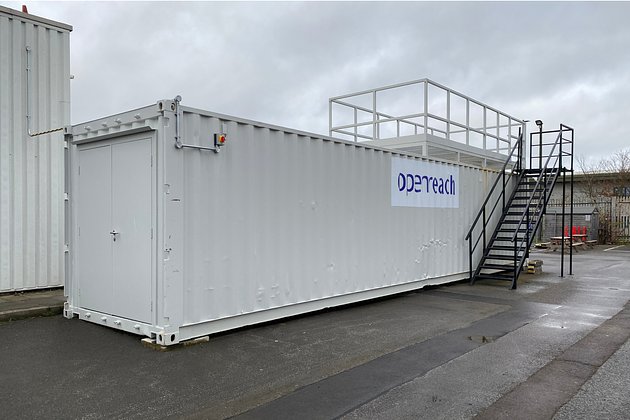
Specifications of a 30-Foot Container
Before diving into the practical applications of a 30-foot container, it's vital to comprehend its specs. Below is a thorough table outlining the crucial measurements and functions of a basic 30-foot container.
| Function | Specs |
|---|---|
| Length | 30 Foot Containers For Sale feet |
| Width | 8 feet |
| Height | 8.5 feet (requirement)/ 9.5 feet (high cube) |
| Capacity | Around 1,700 cubic feet |
| Maximum Payload Weight | 28,000 - 30,000 lbs (depends upon container type) |
| Tare Weight | Around 5,000 lbs |
| Product | 30ft Steel Containers or aluminum |
| Door Opening Dimensions | 7.5 feet high x 7.5 feet wide |
Kinds Of 30-Foot Containers
- Requirement 30-Foot Container: This is the most common type, with standard features created for basic cargo.
- 30-Foot High Cube Container: Slightly taller than the standard version, this container takes full advantage of vertical space and is perfect for lightweight, bulky products.
- 30-Foot Refrigerated Container: Equipped with environment control, these containers are perfect for carrying perishable items.
- 30-Foot Open-Top Container: This container has an open roofing system that can be covered with a tarpaulin, making it appropriate for oversized cargo.
Utilizes of 30-Foot Containers
The adaptability of 30-foot containers makes them ideal for several applications:
- Storage Solutions: Ideal for temporary or long-term storage for services and property owners, using significant area without the need for building and construction.
- Second Hand 30ft Shipping Containers Goods: Perfect for transporting goods, whether domestically or internationally, owing to their standardized size.
- Mobile Offices: Many companies convert these containers into momentary or mobile workplaces on building sites or occasions.
- Workshops and Studios: Artists and tradespeople frequently utilize them as innovative spaces or workstations.
- Living Spaces: With proper insulation and modifications, a 30-foot container can be transformed into a compact home or guesthouse.
Benefits of 30-Foot Containers
Using a 30-foot container uses several benefits, consisting of:
- Cost-Effective: Generally cheaper than bigger containers, making them an appealing alternative for small organizations.
- Ample Space: Provides an excellent quantity of storage or shipping capability without being troublesome.
- Movement: Easy to carry via truck, rail, or ship, ideal for various logistical needs.
- Toughness: Made of robust products, these containers can stand up to severe ecological conditions.
- Versatility: They can be tailored for different usages, such as workplaces, workshops, or living spaces.
Downsides of 30-Foot Containers
While 30-foot containers have lots of advantages, it's important to consider their restrictions:
- Limited Capacity: Larger organizations or individuals with substantial storage requirements may find them inadequate.
- Space Constraints: While more manageable than bigger containers, they still require a considerable footprint, which may not be readily available in urban settings.
- Allowing Issues: Depending on regional guidelines, customizing or putting a container may need permits, which can make complex use.
- Upkeep: Containers can rust and sustain damage in time, needing regular maintenance to make sure durability.
FAQs about 30-Foot Containers
1. What can fit in a 30-foot container?
A 30-foot container can hold around 1,700 cubic feet of products. This is roughly comparable to the contents of a 3-bedroom home or about 10 standard-sized pallets.
2. How much does a 30-foot container expense?
The rate can vary considerably based upon the condition (new or used), type (requirement, refrigerated, etc), and place. Usually, a new 30-foot container can vary from ₤ 4,000 to ₤ 7,000.
3. Can I customize a 30 Foot Container 30 Feet New - Https://Md.Swk-Web.Com/S/QGusinw8A --foot container?
Yes, lots of companies specialize in modifying containers for particular uses, such as adding windows, doors, insulation, and utilities for different applications.
4. How does a 30-foot container compare to other sizes?
While a 20-foot container may be better for smaller sized relocations or storage, a 40-foot container uses more space for bigger deliveries. The 30-foot container offers a middle ground, suitable for numerous needs.
5. Where can I purchase or rent a 30-foot container?
30-foot containers are readily available through shipping container providers, rental companies, and online markets. It's a good idea to compare rates and conditions before buying or rental arrangement.
30-foot containers are an excellent choice for those searching for a versatile, manageable, and economical option for storage, transport, or distinct projects. Their adaptability makes them suitable for different industries and personal uses alike. By understanding their requirements, benefits, and prospective applications, companies and individuals can make informed decisions about integrating them into their logistics or storage strategies.
As the need for containers continues to grow, their function in modern logistics, shipping, and even living areas remains substantial. Whether for organization or personal usage, the 30-foot container proves to be a practical and practical option.
- 이전글Why Best Casino For Crypto Is Fast Becoming The Most Popular Trend For 2024 26.07.11
- 다음글Guide To Crypto Casino Games: The Intermediate Guide Towards Crypto Casino Games 26.07.11
댓글목록
등록된 댓글이 없습니다.