
Are You In Search Of Inspiration? Try Looking Up Shipping Container Di…
페이지 정보

본문
Understanding Shipping Container Dimensions: A Comprehensive Guide
On the planet of logistics and transportation, shipping containers play a vital function in helping with worldwide trade. These metal boxes can be found in numerous dimensions and types, each created for specific cargo requirements. Comprehending the dimensions of shipping containers is vital for organizations involved in importing and exporting items. This post will check out the different shipping container sizes, their requirements, and how to choose the ideal container for your requirements.
Types of Shipping Containers
Shipping containers can be broadly categorized into several types based upon their dimensions and functionalities. Below is a list of the most common types:
- Standard Containers: Often described as dry containers, these are used for basic cargo.
- High Cube Containers: These are similar to standard containers but are taller, supplying extra vertical area.
- Reefer Containers: Refrigerated containers developed to transport disposable items at regulated temperatures.
- Open Top Containers: Containers without a roofing, allowing for the transport of large cargo.
- Flat Rack Containers: Designed for big and heavy cargo, frequently Used Shipping Containers for equipment and automobiles.
- Tank Containers: Specifically developed to transport liquids or gases.
Standard Container Dimensions
Here's a comprehensive look at the dimensions of basic shipping containers:
| Container Type | Length (ft) | Width (ft) | Height (feet) | Volume (cu. ft) | Weight Limit (lbs) |
|---|---|---|---|---|---|
| 20' Standard | 20 | 8 | 8.5 | 1,169 | 52,910 |
| 40' Standard | 40 | 8 | 8.5 | 2,694 | 59,480 |
| 40' High Cube | 40 | 8 | 9.5 | 2,698 | 59,480 |
| 45' High Cube | 45 | 8 | 9.5 | 3,040 | 67,200 |
Extra Container Types and Dimensions
For specialized cargo, various container sizes are applicable. Here's a table detailing these:
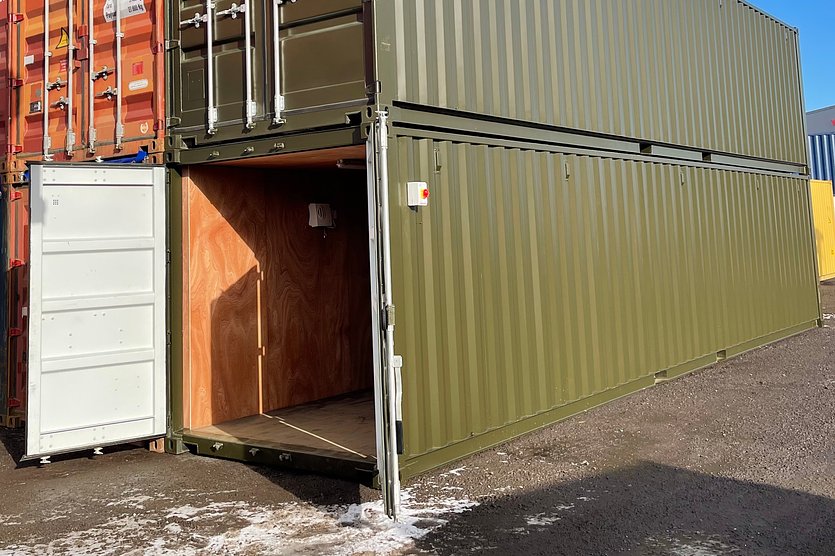
| Container Type | Length (ft) | Width (feet) | Height (ft) | Volume (cu. feet) | Weight Limit (pounds) |
|---|---|---|---|---|---|
| 20' Reefer | 20 | 8 | 8.5 | 1,169 | 52,910 |
| 40' Reefer | 40 | 8 | 8.5 | 2,700 | 59,480 |
| 20' Open Top | 20 | 8 | 8.5 | 1,169 | 52,910 |
| 40' Open Top | 40 | 8 | 8.5 | 2,694 | 59,480 |
| 20' Flat Rack | 20 | 8 | 8.5 | N/A | 48,500 |
| 40' Flat Rack | 40 | 8 | 8.5 | N/A | 59,900 |
| 20' Tank | 20 | 8 | 8.5 | 1,169 | 52,910 |
Factors to Consider When Choosing a Container
When picking a Rent Shipping Container container, a number of elements must be thought about:
- Cargo Type: Determine whether the cargo is dry, perishable, liquid, or oversized.
- Weight and Volume: Calculate the weight and volume of your cargo to guarantee it fits within the container limitations.
- Destination: Some destinations might have specific container requirements or guidelines.
- Duration of Shipment: Consider the period of transport when selecting a container type, especially for perishables that need temperature level control.
- Budget: Different container types come at differing rental or purchase prices. It's essential to select one that fits your budget plan without jeopardizing quality.
Benefits of Using Shipping Containers
Using shipping containers includes a myriad of advantages. Here are some significant advantages:
- Durability: Made from weather-resistant materials, shipping containers are created to hold up against the rigors of transport.
- Security: Containers offer a protected environment for cargo, minimizing the risk of damage or theft.
- Flexibility: They can accommodate a range of cargo types, from heavy equipment to delicate items.
- Cost-effectiveness: Renting or purchasing Shipping Container Solutions containers can be a cost-efficient solution for transportation and storage.
FAQs About Shipping Container Dimensions
Q1: What is the optimum weight a shipping container can hold?A1: The weight limitation varies by container type. Requirement containers can normally hold in between 52,910 lbs and 67,200 pounds, depending upon their design. Q2: Are all containers the exact same size?A2: No
, shipping containers come in different sizes and types, including 20', 40', and 45'long containers, each serving various purposes. Q3: Can 20ft Shipping Container containers be modified?A3: Yes, shipping containers
can be modified for particular usages, including
producing mobile offices, workshops, or Storage Containers units. Q4: How do I choose the ideal container for my cargo?A4: Consider aspects such as cargo type,
weight, volume, and transport duration. Matching the container type to your specific requirements is crucial. Q5: How are shipping containers dealt with for long journeys?A5: Containers are built to be robust and weather-resistant.
Specialized containers, like reefers, are developed to maintain
climate control for long journeys. Understanding shipping container dimensions is necessary for business associated with international trade. Whether you are transferring general cargo or specialized products, choosing the right container can make a significant difference in the effectiveness and security of your shipping operations. By being notified about the various types and dimensions of containers readily available, businesses can make educated decisions that enhance their logistics procedures and eventually impact their bottom line.
- 이전글10 Things That Your Family Taught You About Buy UK Driving License 26.07.10
- 다음글The Best Way To Explain British Drivers Licence To Your Boss 26.07.10
댓글목록
등록된 댓글이 없습니다.