
5 Killer Quora Answers On 30 Feet Container
페이지 정보

본문
Understanding 30 Feet Containers: Everything You Need to Know
When it concerns 30' Shipping Containers and storage, containers play a critical role in ensuring items are transferred safely and effectively. Amongst the numerous sizes readily available, the 30 feet container sticks out for its flexibility. In this blog post, we will explore everything you need to understand about 30 feet containers, including their dimensions, utilizes, advantages, and frequently asked concerns.
What is a 30 Feet Container?
A 30 feet container is a kind of shipping container that measures approximately 30 Foot Container New feet in length. These containers are available in numerous types, with the most typical being dry containers, refrigerated containers (reefers), and open-top containers. The additional length supplies more area, making them suitable for various applications.
Dimensions of a 30 Feet Container
The measurements of a 30 feet container can differ a little based on the producer and specific kind of container. However, here are the typically accepted dimensions:
| Container Type | Length | Width | Height | Cubic Capacity | Max Gross Weight |
|---|---|---|---|---|---|
| Requirement Dry | 30 ft | 8 ft | 8.5 ft | 1,700 cubic feet | 30,480 lbs |
| High Cube Dry | 30 ft | 8 ft | 9.5 ft | 1,948 cubic feet | 30,480 pounds |
| Refrigerated (Reefer) | 30 ft | 8 ft | 8.5 ft | 1,700 cubic feet | 30,480 pounds |
| Open-Top | 30 ft | 8 ft | 8.5 ft | 1,700 cubic feet | 30,480 lbs |
Uses of 30 Feet Containers
30 feet containers are used in different industries due to their large capability and adaptability. Here are some common uses:
Shipping Goods: Ideal for transporting big amounts of products such as machinery, furniture, and fabrics.
Storage Solutions: Often utilized for temporary or long-lasting storage, particularly in businesses that have seasonal inventory modifications.
Mobile Offices: Converted into workplaces on job sites, especially in construction and other industries.
Pop-up Shops: Used for retail purposes, permitting services to set up portable shops in different locations.
Workshops: Customized as workshops for craftsmens and craftsmen in need of a mobile workspace.
Residential Spaces: Becoming progressively popular for tiny home jobs or emergency housing options.
Advantages of 30 Feet Containers
The benefits of using a 30 feet container are various. Here's a breakdown:
Versatility: Can be transformed for many functions, as detailed above.
Affordable: Offers more area than standard containers without significantly increasing shipping or storage costs.
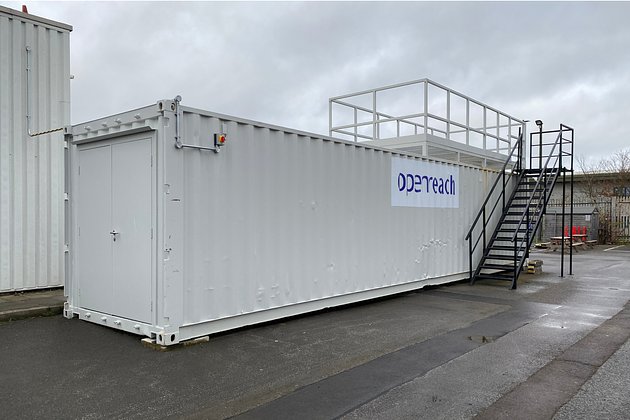
Sturdiness: Built from robust materials, these containers can hold up against extreme ecological conditions.
Security: Lockable doors and solid construction make them protect for transporting important products.
Movement: Can be quickly transported by trucks, ships, and trains.
Eco-Friendliness: Using containers promotes recycling and repurposing, lowering waste.
Choosing the Right Container
When thinking about a 30 feet Container 30ft, it's vital to examine your specific requirements. Here are some factors to remember:
Type of Goods: Determine if you require a requirement, cooled, or open-top container based upon the nature of the products you will be transporting or storing.
Duration of Use: Assess if you need the container for a short-term project or long-lasting storage.
Area: Ensure you have enough space and gain access to for shipment and pick-up of the container.
Budget plan: Compare costs amongst different providers, bearing in mind delivery and additional customization costs.

Regularly Asked Questions (FAQs)
1. How much does a 30 feet container cost?
The cost of a 30 feet container can vary commonly based upon condition (new vs. used), type (basic vs. cooled), and location. On average, prices can range from ₤ 2,000 to ₤ 6,000.
2. What is the weight capability of a 30 Feet Container; my response,?
A lot of 30 feet containers have an optimum gross weight capability of around 30,480 pounds, which includes the weight of the container itself and the cargo it carries.
3. Can I customize a 30 Foot Container Dimensions feet container?
Yes, lots of suppliers use customization alternatives such as windows, doors, insulation, and electrical fittings to suit specific requirements.
4. How Do They Make 30 Ft Shipping Containers I transfer a 30 feet container?
30 feet containers can be transferred using specialized trucks, ships, or trains. It is necessary to coordinate with specialists to guarantee safe and effective transportation.
5. Are 30 feet containers safe for storage?
Yes, 30 feet containers are designed to be safe and secure, with sturdy locks and tough building and constructions that secure against theft and environmental aspects.
6. Where can I discover used 30 feet containers?
Used containers can be discovered through shipping container providers, auction sites, and online markets. It's vital to inspect any used container before purchase to evaluate its condition.
30 feet containers use a combination of area, security, and flexibility that makes them ideal for different applications. Whether you are an organization looking to transfer goods, an individual in requirement of storage services, or somebody interested in distinct home, a 30 feet container could be the answer to your needs. Understanding their dimensions, utilizes, and benefits helps consumers make notified choices when considering the addition of containers to their logistics or storage solutions. With the right preparation and understanding, anyone can benefit from the benefits these resilient structures provide.
- 이전글You'll Never Be Able To Figure Out This A4 Paper Delivery's Tricks 26.07.12
- 다음글See What A4 Paper Discounts Tricks The Celebs Are Using 26.07.12
댓글목록
등록된 댓글이 없습니다.