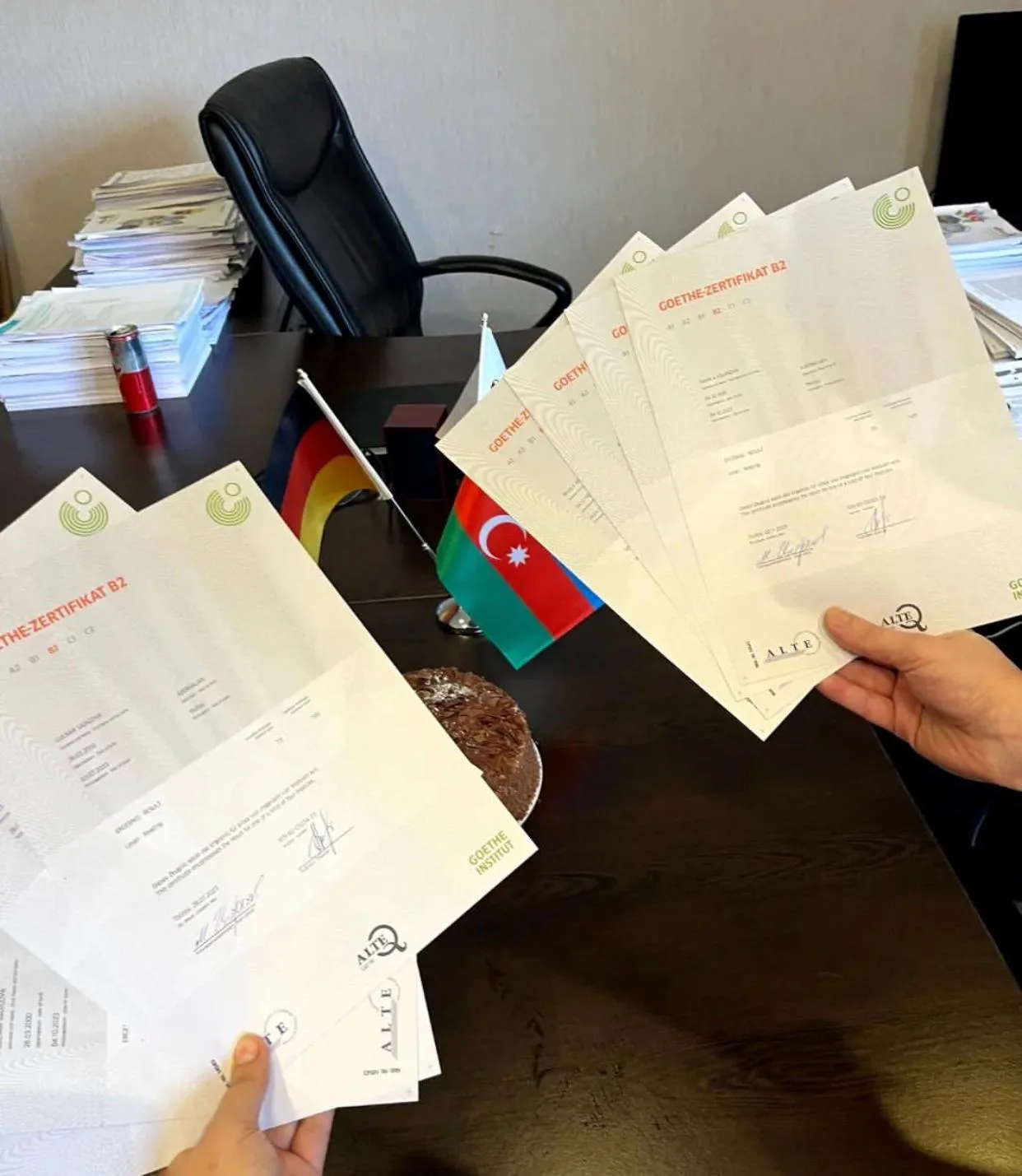
How The 10 Worst Official Goethe B1 Test Fails Of All Time Could Have …
페이지 정보

본문
Understanding the Official Goethe B1 Test: A Comprehensive Guide
For those starting their journey to learn German, the Official Goethe B1 Test serves as a substantial turning point. It determines language proficiency at the B1 level according to the Common European Framework of Reference for Languages (CEFR). This post aims to offer a comprehensive summary of the test, including its structure, preparation methods, and often asked concerns.
What is the Goethe B1 Test?
The Goethe B1 Test is designed for learners who have achieved an intermediate level of proficiency in German. It evaluates the capability to comprehend and use daily language, along with the ability to communicate in a range of situations.
Importance of the Goethe B1 Test
The B1 level is vital for those who want to study, work, or reside in Germany or another German-speaking nation. Successfully passing the test demonstrates that the person can manage daily interaction in German and is all set to engage even more with the language and culture.
Structure of the Goethe B1 Test
The Goethe B1 Test consists of 4 sections:
| Section | Description | Period |
|---|---|---|
| Listening | Candidates listen to various audio recordings and answer concerns based upon them. | 30 minutes |
| Reading | Test takers check out texts from various sources and respond to comprehension concerns. | 65 minutes |
| Composing | Participants are required to write a brief text (like an e-mail or a letter) based upon provided triggers. | 45 minutes |
| Speaking | This section involves an in person discussion with an examiner, consisting of a structured interview and interactive jobs. | 15 minutes |
Ranking Scale
The test is scored on a scale of 0 to 100, with the following grading system:
| Score Range | Level |
|---|---|
| 60 - 100 | Pass |
| Listed below 60 | Fail |
Preparation Strategies
Preparing for the Goethe B1 Online Prüfung Bestellen B1 Test needs concentrated research study and practice. Below are some efficient strategies to enhance preparedness for the exam:
1. Comprehend the Test Format
Familiarizing oneself with the structure and guidelines of the exam is important. This understanding will lower anxiety and enhance time management during the test.
2. Practice Listening Skills
- Resources: Listen to German podcasts, news broadcasts, and audiobooks.
- Activities: Complete comprehension exercises based upon audio products.
3. Enhance Reading Comprehension
- Products: Read German papers, brief stories, and online posts.
- Workouts: Answer concerns about the texts to evaluate understanding.
4. Enhance Writing Skills
- Practice: Write e-mails, letters, and short essays on numerous subjects.
- Feedback: Seek feedback from instructors or language partners to enhance.
5. Construct Speaking Proficiency
- Discussions: Engage in regular discussions with native speakers or fellow learners.
- Mock Interviews: Conduct mock speaking tests with a partner or instructor.
6. Usage Official Preparation Materials
Utilize study guides and practice tests specifically created for the Goethe B1 exam.
Recommended Resources
| Resource Type | Examples |
|---|---|
| Books | "Fit fürs Goethe-Zertifikat Deutsch B1 Online Kaufen B1 Goethe-Zertifikat Online Kaufen" |
| Online Courses | Websites like Goethe Institute and Duolingo |
| Practice Tests | Official Goethe Zertifikat B1 Online Kaufen Und Bestellen B1 sample tests |
Regularly Asked Questions (FAQ)
1. What is the passing rating for the Goethe B1 Test?
A rating of at least 60 is needed to pass the test. Ratings are determined based on efficiency throughout all 4 sections.
2. For how long does it require to get ready for the Goethe B1 Test?
Preparation time can differ significantly based on the individual's beginning level. Usually, 6 months to 1 year of consistent research study is suggested for the B1 level.
3. How frequently is the Goethe B1 Test used?
The test is provided several times a year, however particular dates and accessibility can differ by testing center. It is best to check the main Goethe Institute website for details.
4. Exists a minimum age requirement for the test?
There is no stringent minimum age requirement, however students typically take the exam after finishing pertinent language courses in secondary school.
5. How is the speaking component assessed?
The speaking area is evaluated based upon pronunciation, fluency, vocabulary, and the ability to take part in a conversation.
Conclusion: Achieving B1 Proficiency
The Goethe B1 Test is more than simply a scholastic requirement; it marks an essential step towards greater fluency and integration into German-speaking environments. By comprehending the test structure, employing effective preparation strategies, and using readily available resources, prospects can approach the exam with confidence and the abilities needed to pass.
Whether for personal development, education, or profession improvement, attaining B1 proficiency opens doors to lots of chances in the German-speaking world. All the best to all future prospects!
- 이전글Five Killer Quora Answers On British Drivers Licence 26.07.13
- 다음글20 Things You Should Ask About Buy A Parrot Cheaply Before You Decide To Purchase It 26.07.13
댓글목록
등록된 댓글이 없습니다.